SIVATAG / DESERT
PREMIERE 30-31 January 2026 Budapest Mu Theatre
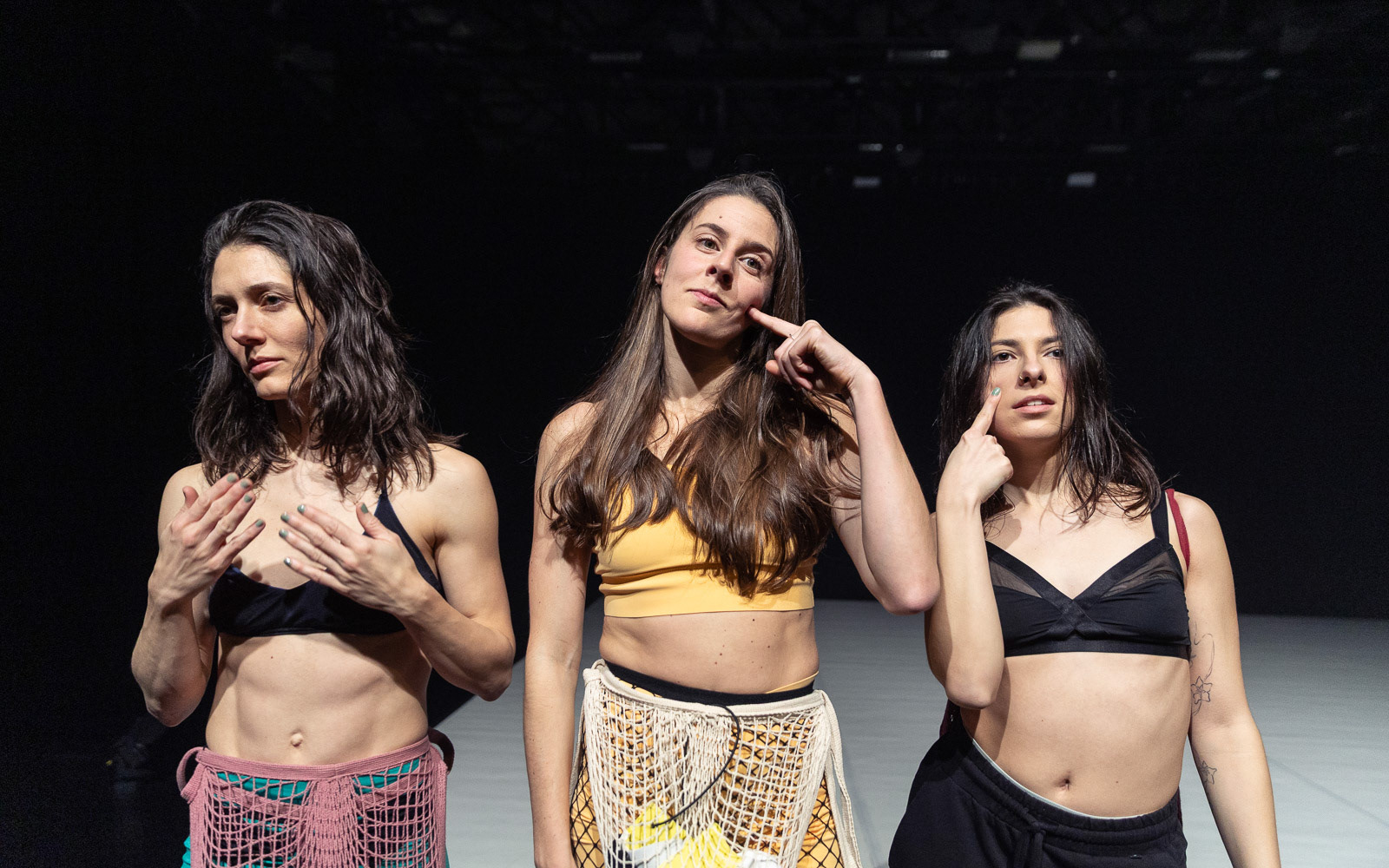
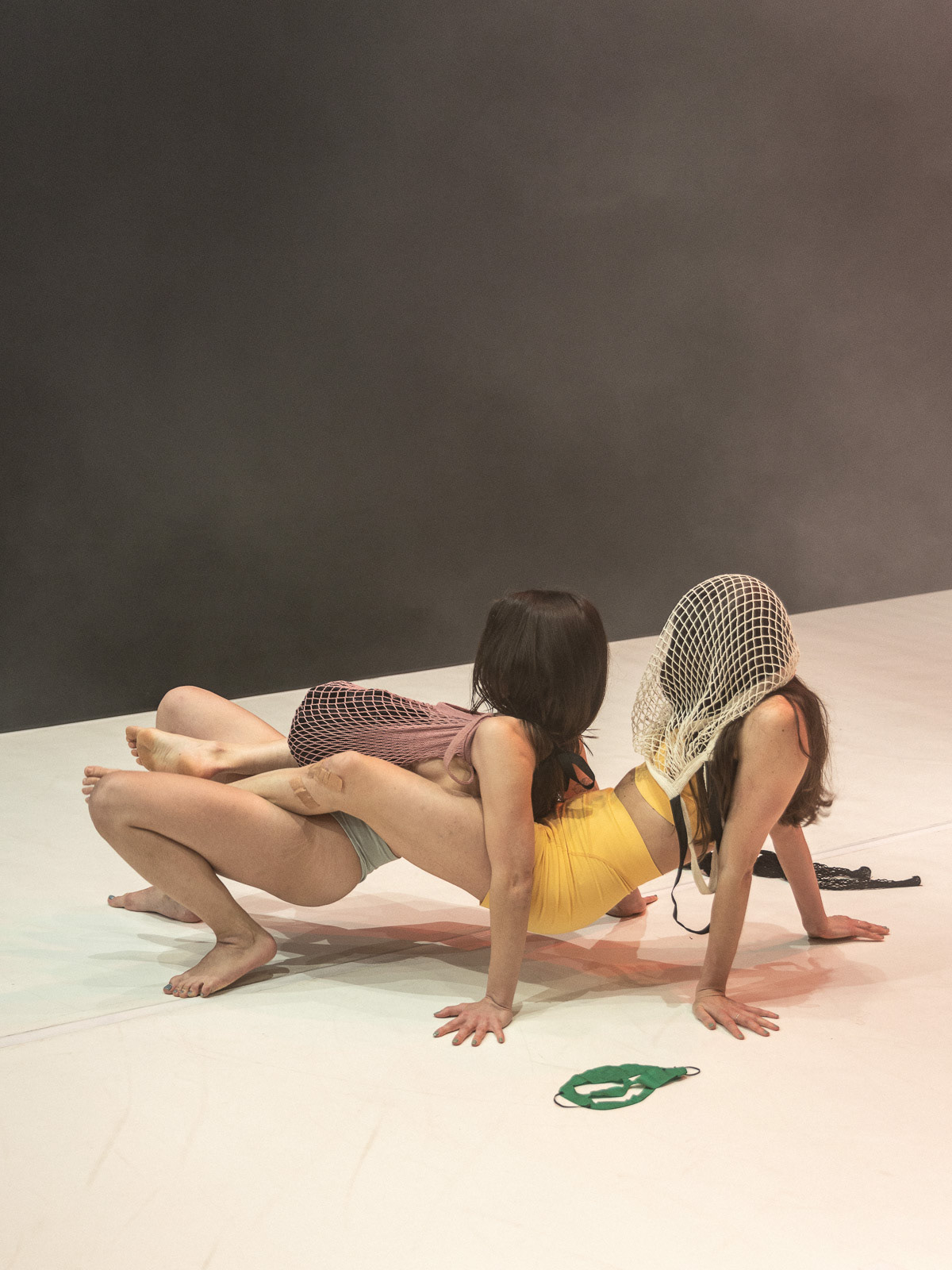

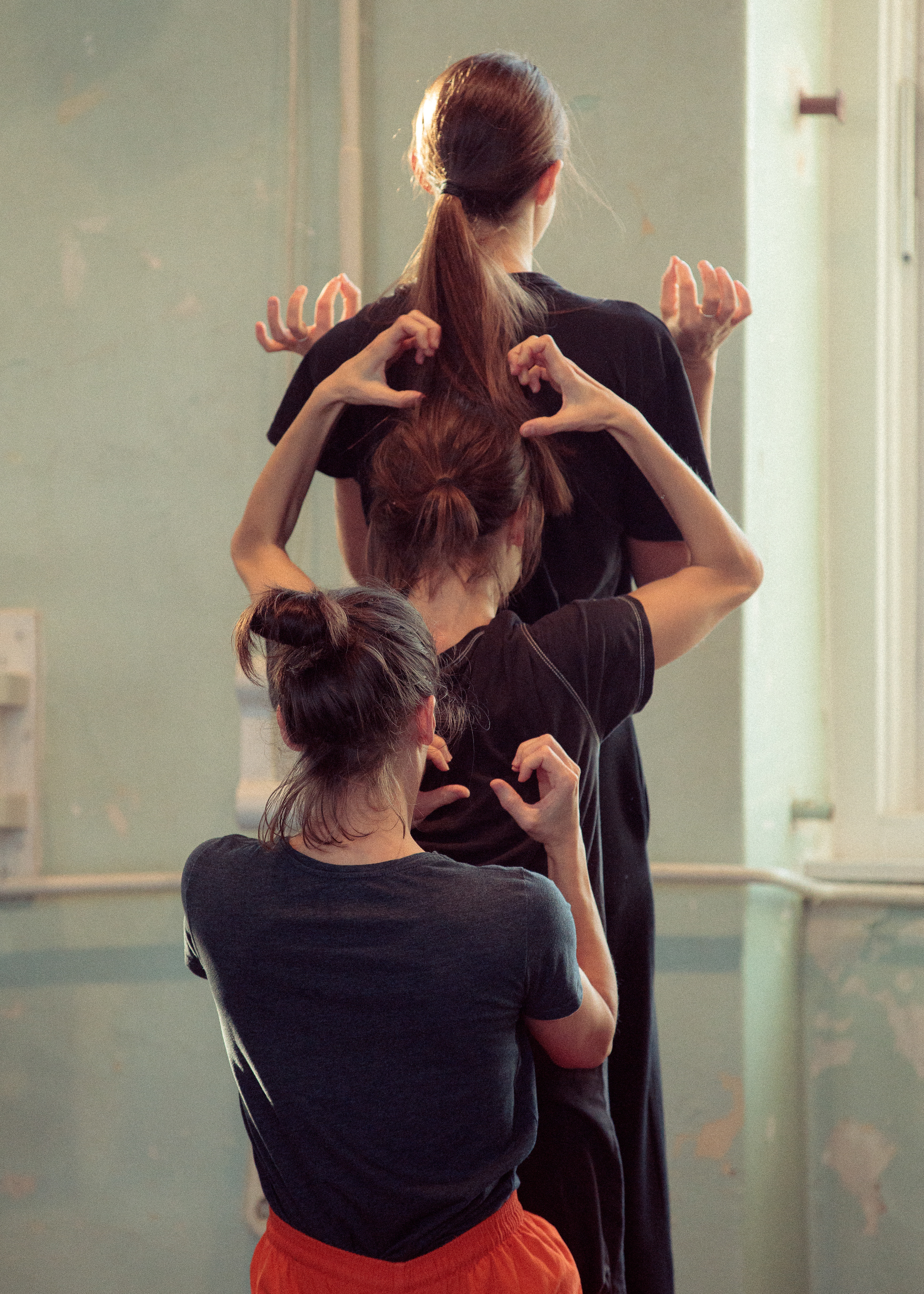
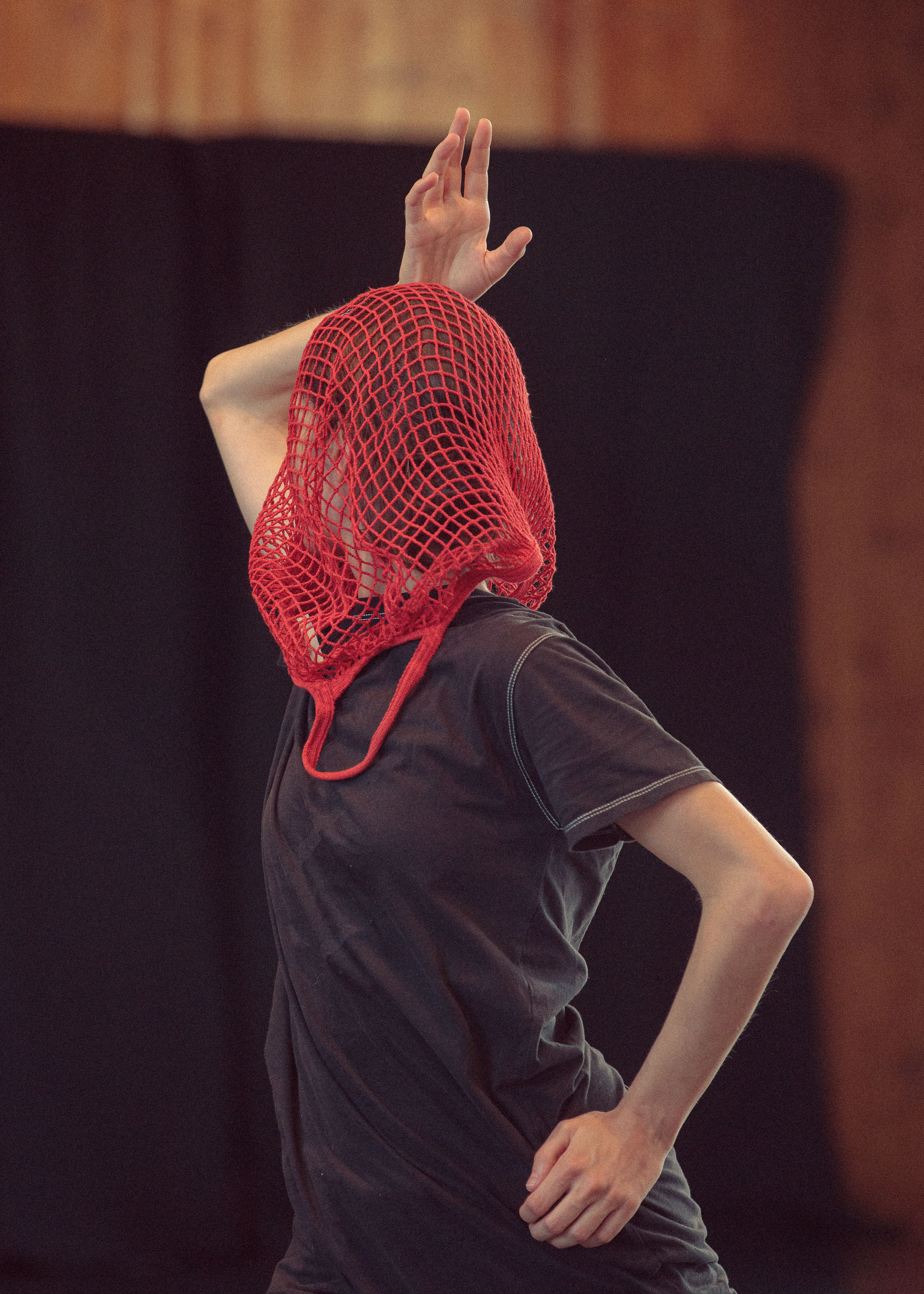
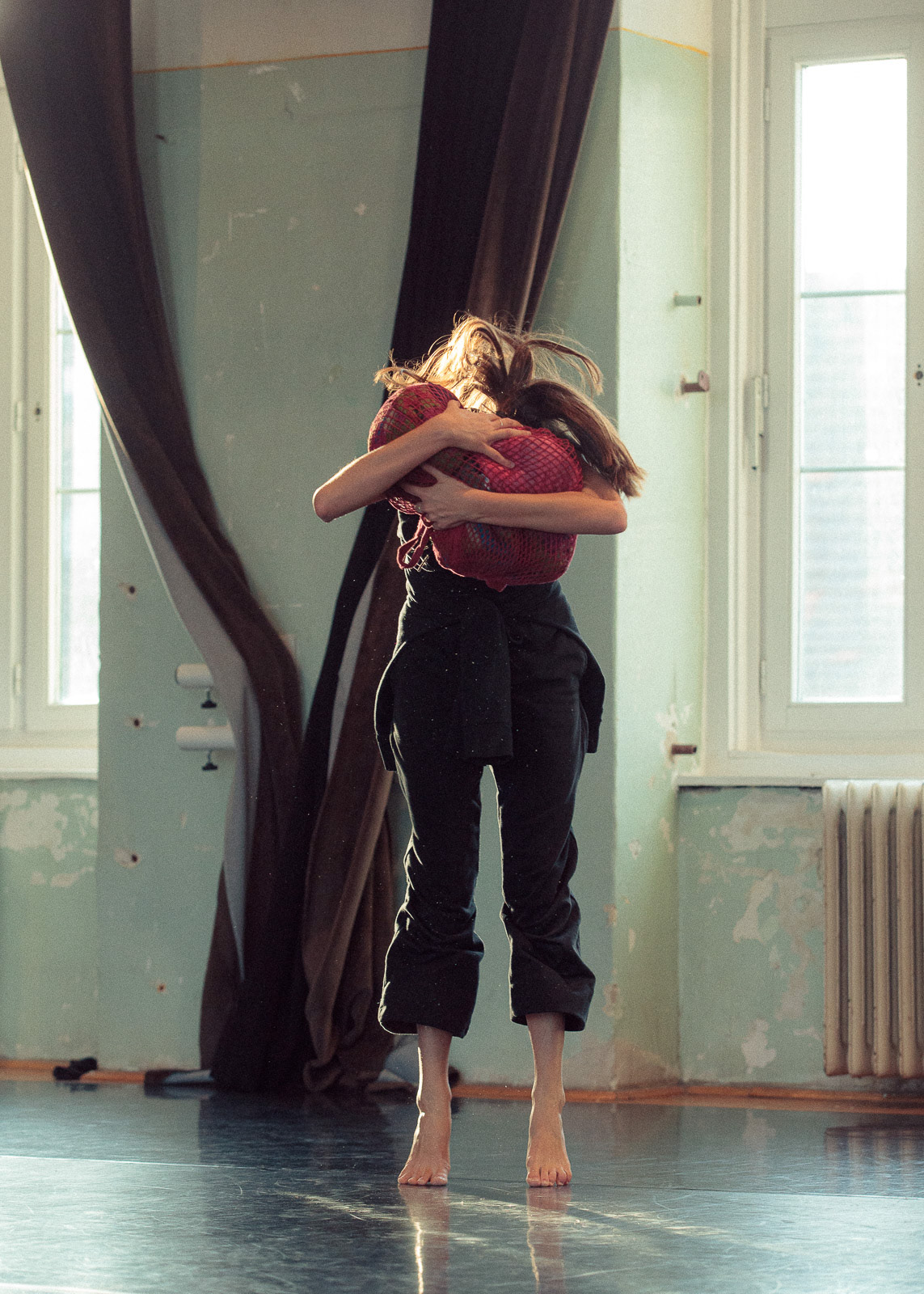
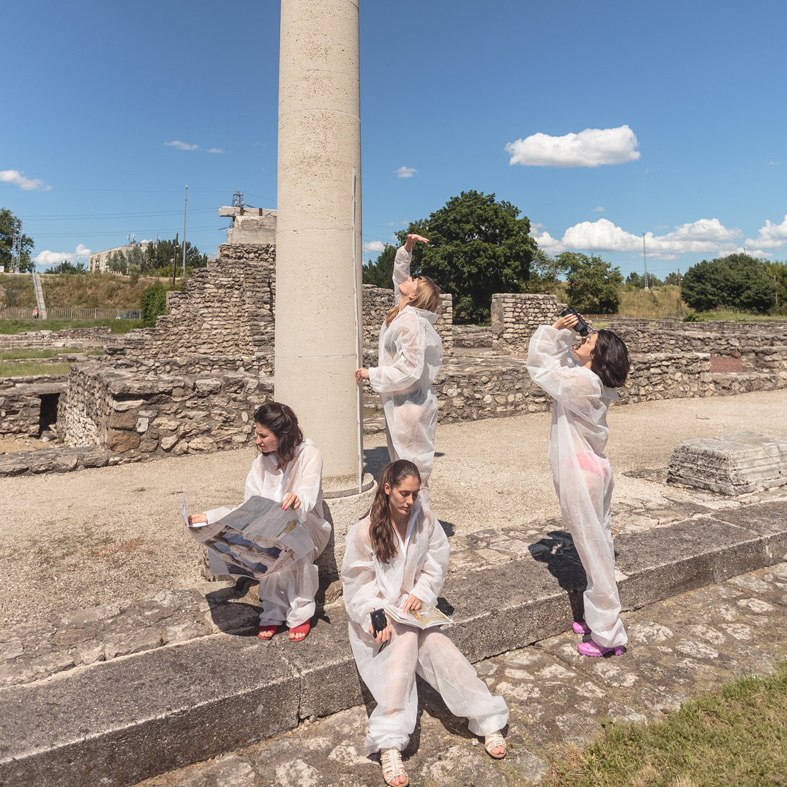
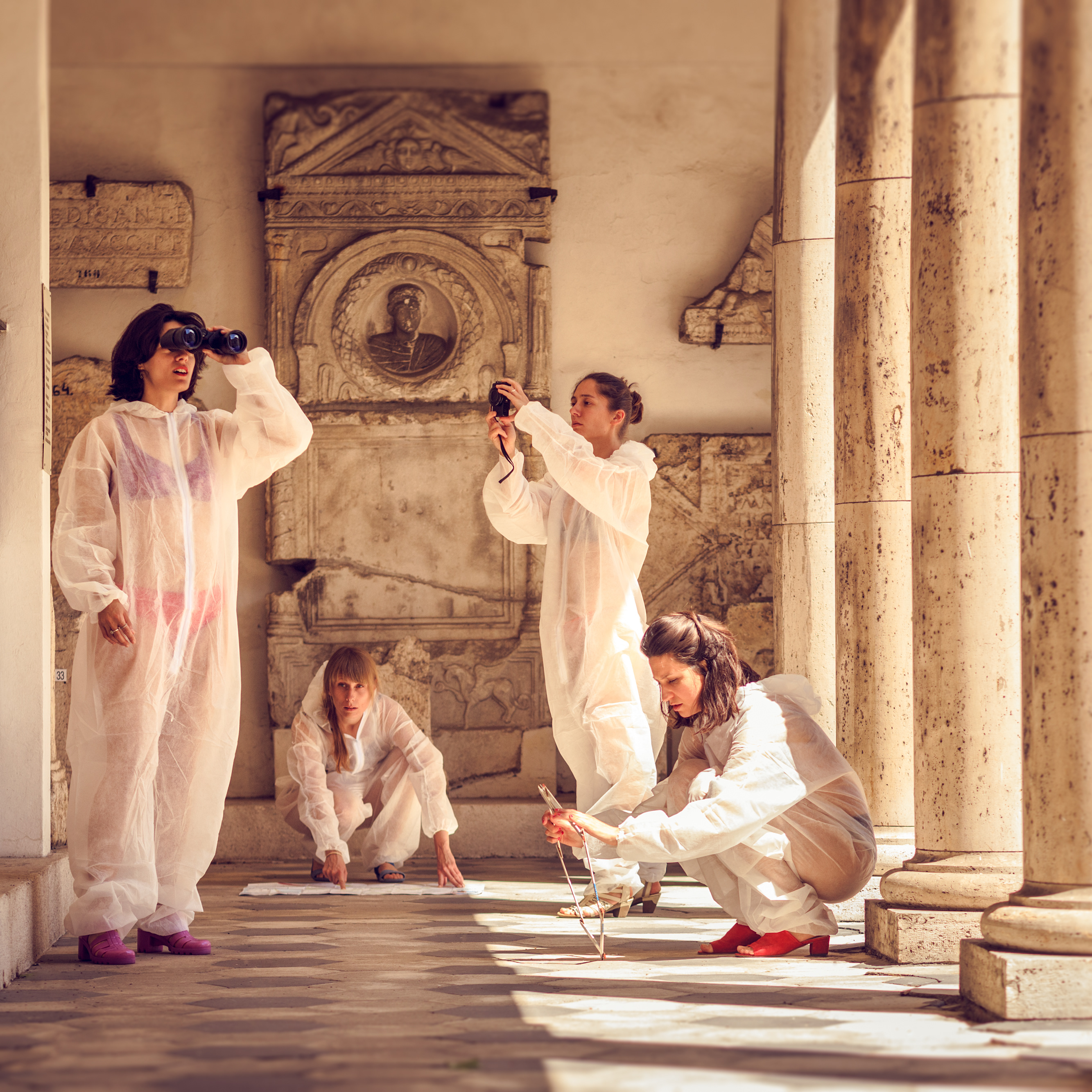
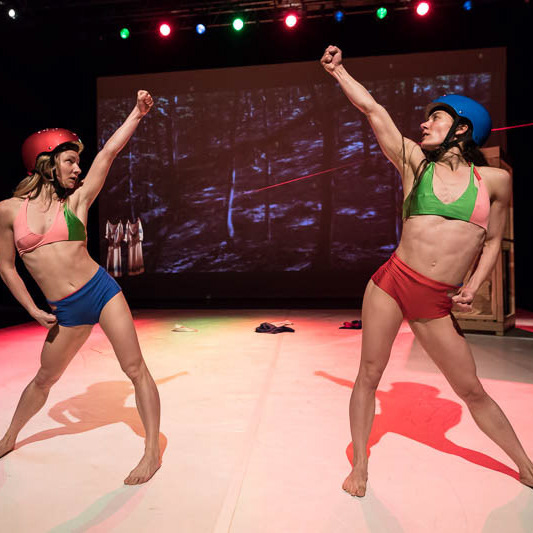
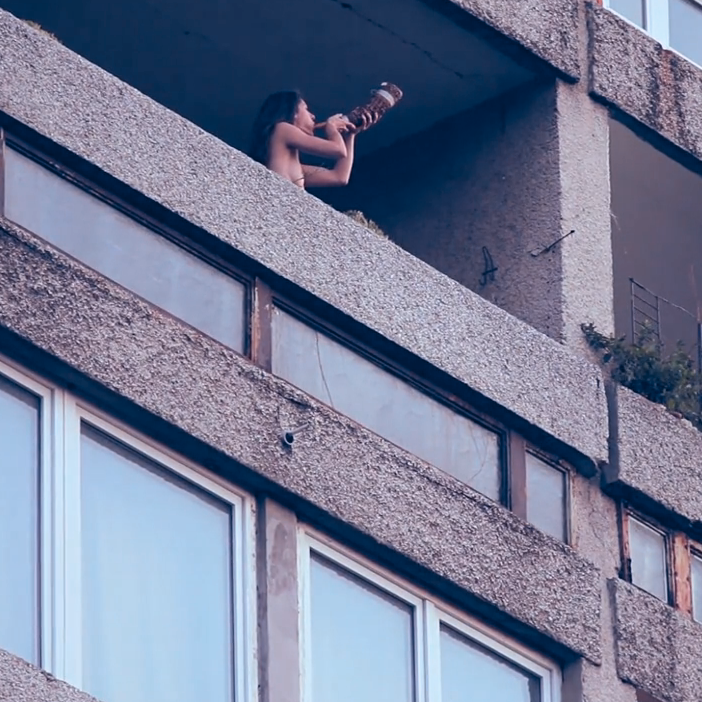
The dance performance Desert and its accompanying research is rooted in the concept of mobility, exploring its social and cultural aspects. Constant movement and being on the road—a mode of existence particularly characteristic of Generations Y and Z—generate a sense of "in-betweenness," forming an undefined space and emotional conditions.
The performance reflects on the condition of transition mentally and emotionally, with direct consequences on physical (im)mobility. It delves into the experiences of being on the move, traveling from one place to another, and of altered everyday normality in the pursuit of a place that is more stable, secure, calm, and perhaps happy.
Since 2023, my own experiences of constant transitions—as a woman, and increasingly as a mother—have deeply shaped this research.The process has revealed to me how displacement can become generative, and pointed to the enduring strength of femininity as an intellectual, emotional, and creative fertility and force in my work. In this context, cultivating a safe and supportive inner space became a lived necessity—one that nurtures both risk-taking and transformation.
Desert slowly reveals the possibility of integrity within instability. The repeating void and inquietude/disquiet become a central motif, and rather than resisting it, the work seeks to embrace it, transforming it into a creative mode of being. Humor, flexibility, and even the ability to let go at times emerge as tools of survival—shaped by contemporary life yet deeply instinctual.
Desert slowly reveals the possibility of integrity within instability. The repeating void and inquietude/disquiet become a central motif, and rather than resisting it, the work seeks to embrace it, transforming it into a creative mode of being. Humor, flexibility, and even the ability to let go at times emerge as tools of survival—shaped by contemporary life yet deeply instinctual.
Performers: Noémi Piller, Beatrix Trisha Simkó, Sara Valenti
Concept, choreography: Beatrix Trisha Simkó
Dramaturgy: Costas Kekis
Music: Bartha Márk
Visual design, video recording: Daniel Dömölky
Costume design: Adél Kovács, Luca Batke
Movement research: Polett Kasza, Florian Entenfellner
Production management : Next Stage+ / Brigitta, Kovács, Lili Stern, Eszter Lovrity/ Coproduction partners: MU Theatre, Workshop Foundation
Supporters: European Union (Creative Europe), National Cultural Fund of Hungary, Ministry of Culture and Innovation (Hungary)
Special thanks: FabLab Budapest, Márton Emil Tóth, Ádám Táborosi, Tamás Szabó Sipos
Funded by the European Union. Views and opinions expressed are however those of the author(s) only and do not necessarily reflect those of the European Union or the European Education and Culture Executive Agency (EACEA). Neither the European Union nor EACEA can be held responsible for them.